

News
Why Ravens Are Moving into British Towns and Cities: What the Latest Data Shows
September 15, 2026
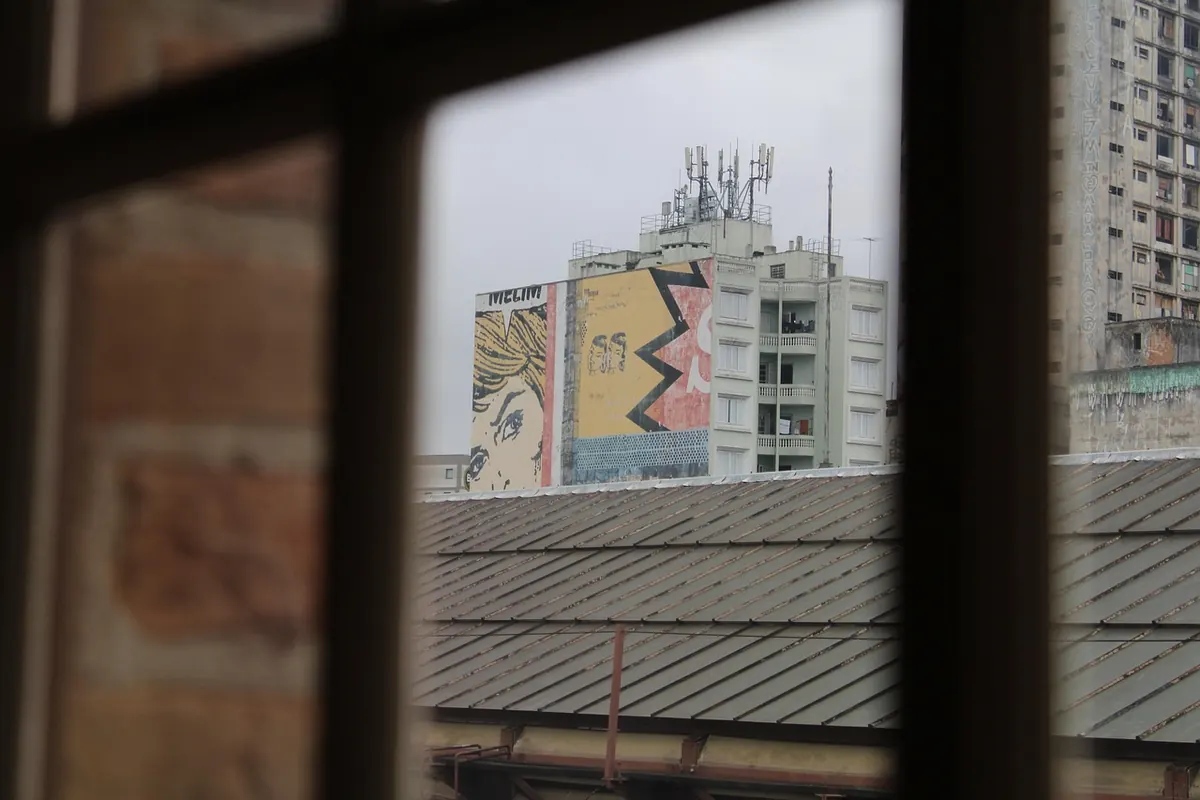
For much of the twentieth century, a raven in an English town was either an escapee or a lost bird. That assumption no longer holds. Pairs now build their bulky stick nests on cathedral towers, church roofs, power station pylons, bridge piers and the parapets of office blocks, and they do it in places that would have raised eyebrows thirty years ago.
The question worth asking is not whether it is happening, but what the records really show — and whether the shift is as sudden as it looks.
A range that keeps redrawing itself
Ravens are the largest member of the crow family, roughly the size of a buzzard. Britain's population was pushed back to the uplands and the west: Snowdonia, the Highlands, the Lake District, mid-Wales, the Cornish and Pembrokeshire coasts, Dartmoor. Centuries of persecution did most of it — poisoned baits, shotguns, eggs taken from every reachable ledge — and by the early 1900s the birds were absent from most lowland counties.
The recovery was slow and undramatic. Legal protection, changing land use and a general decline in deliberate killing gave birds in the strongholds room to expand. Decade by decade, ravens filled the gaps. The first nests on masts, pylons and quarry faces were the signpost. The first nests on buildings made a story.
What the records are actually showing
National bird surveys and county bird reports point the same way: expansion into lowland England, into the Midlands, and increasingly into built-up areas. Counties that logged no breeding ravens in the 1980s now record pairs most years, and a growing share of those records come from towns and city fringes rather than from crags.
Two caveats are worth holding on to. Bird recording has itself changed — more observers, better apps, instant verification from photographs — so a bird that would once have gone unremarked is now logged within hours. Urban nests are also far easier to find than a ledge halfway down a sea cliff. Part of the apparent boom in town records is better detection, not only more ravens.
Even so, the direction of travel is not in dispute. Ask any county recorder in southern or eastern England.
Why a rooftop makes sense to a raven
- A ledge with an overhang. Ravens want a shelf, shelter above and open air in front. A tower, parapet, crenellation, pylon platform or bridge pier is a cliff in concrete.
- No ground predators. Foxes and cats cannot reach a nest thirty metres up, and that matters more than most people realise.
- Quiet. A church spire or a warehouse roof may see less human traffic than a popular moorland crag in July.
- Reuse. Pairs often return to the same site year after year, adding to the nest each spring.
The nest itself is a hefty structure of sticks, heather, wool, hair and moss — and nowadays a fair amount of baler twine and plastic. Look for it in late winter, when the birds are carrying material and the female begins to sit.
What may be driving the shift
No single factor explains it. Several things have changed at once:
- Protection. Every wild bird in the UK is protected by law, and killing a raven or damaging an active nest is an offence.
- Fewer losses. Persecution has not disappeared, particularly in parts of the uplands, but it is much reduced across most lowland landscapes.
- Food in towns. Roadkill, discarded takeaways, refuse, allotments and large gardens all supply calories for a bird that will eat almost anything.
- More cover and carrion in the wider countryside. More woodland and more deer mean more nesting trees and more carcasses.
- Warmer town centres, and fewer people inclined to reach for a gun when a big black bird appears on the roof.
Cities also provide something less tangible: tolerance. A bird that once meant a keeper's wrath now means a photograph on a neighbourhood group.
The awkward side
Ravens are predators as well as scavengers. They take eggs and nestlings, they mob other birds, and where they nest near livestock they attract suspicion. In some upland areas, farmers argue that ravens cost them lambs; the evidence is genuinely contested, and a raven is far more often seen at a carcass than responsible for it. Shouting at each other does not settle that, and neither does anecdote.
If a nest appears on a building you look after, do not improvise. Removing a nest while it is in use or being built can be an offence, and there are licensing routes for genuine problems. Your first call should be to the statutory nature conservation body for your part of the UK — Natural England, NatureScot, Natural Resources Wales, or the equivalent in Northern Ireland — or to the local authority, plus a qualified ecologist if works are planned.
Telling a raven from a crow
Plenty of "urban ravens" turn out to be carrion crows. The differences are straightforward once you have seen both:
- Size. A raven is noticeably bigger, closer to a buzzard than to a crow.
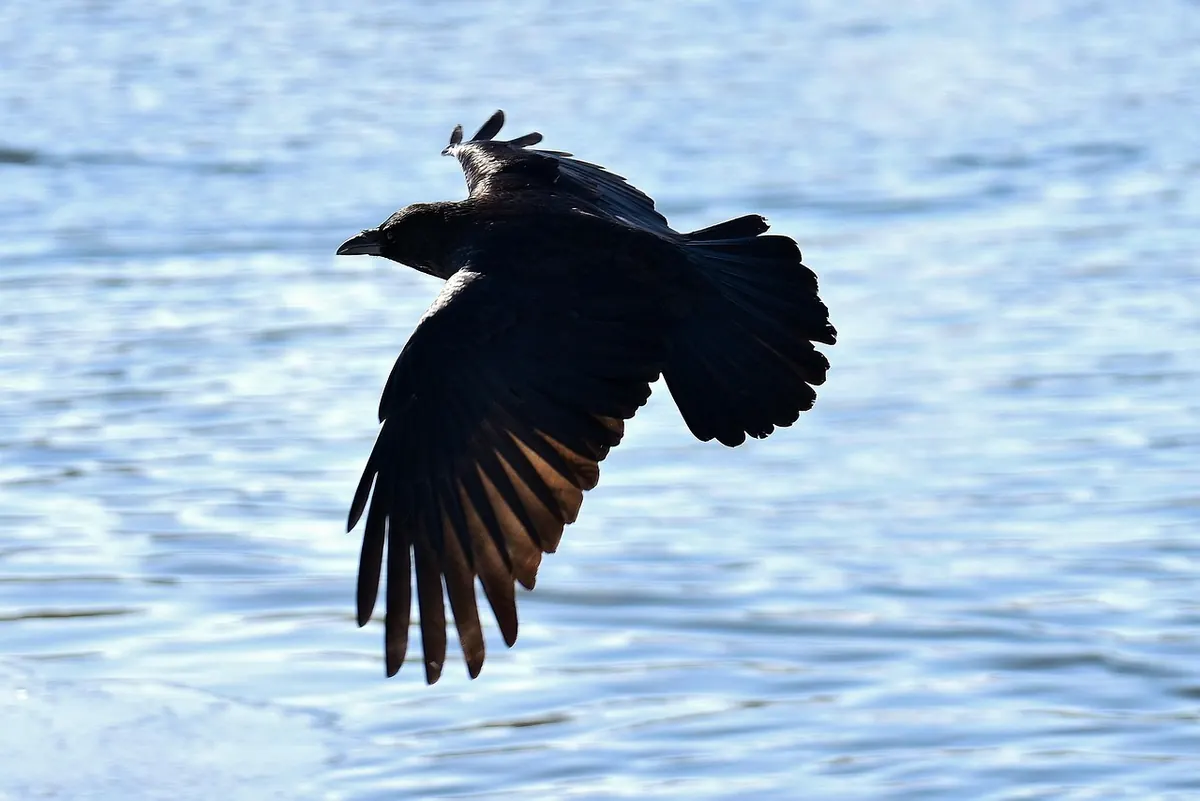
- Tail. In flight, a raven's tail is wedge-shaped; a crow's is a straight fan.
- Shape. Ravens have a heavier bill and shaggy throat feathers that stick out in a ruff.
- Call. A deep, resonant kronk against the crow's flat caw.
- Flight. Ravens soar, tumble and roll in display, especially in late winter. Crows mostly flap.
If ravens turn up near you
Treat it as an ordinary piece of natural history that you can help record properly.
- Watch from late January to April. That is when display flights, nest-building and incubation happen.
- Keep your distance from any active nest. A photograph from the pavement is plenty; a drone overhead is not.
- Report what you see. County bird recorders, your local wildlife trust and the British Trust for Ornithology's recording schemes all take sightings, and urban records are genuinely useful.
- Do not feed them deliberately. Ravens that link people to food become bold, and bold ravens generate complaints that end badly for the birds.
- If nesting causes a real problem on a building or site, get advice before doing anything. Start with the conservation body for your nation and work from there.
Britain's ravens moved back on their own, without reintroduction or a helping hand. That they now choose our towers and retail parks says something about how quickly a landscape can change once we stop pushing a species out. Look up more often this spring.
Photo: paulopescada / Pixabay
Related posts
More stories you’ll love reading